



Small Moments, Big Care: Tiny Wellness Wins for Busy Parents

Today we explore Self-Care in Slivers of Time: Wellness Micro-Moments for Moms and Dads, celebrating brief pauses that replenish energy without demanding an empty calendar. Between boiling kettles, school drop-offs, and bedtime cleanup, we will uncover restorative breaths, micro-movements, and kind inner words that fit into real family life. Expect practical, evidence-informed ideas, warm stories from the trenches of parenting, and invitations to experiment, adapt, and share your own minute-long victories with a supportive, growing community.

Spotting Hidden Minutes in Everyday Routines

Morning Margins That Set a Gentle Pace

Before alarms shake the house, try a slow yawn stretch and three intentional breaths while sitting on the edge of the bed. As sunlight, or phone glow, arrives, place one hand on your belly to feel inhale rise and exhale soften. Envision a single supportive word for the day, like steady or open. This tiny ritual steadies attention, preserves patience for breakfast negotiations, and signals your nervous system that you are allowed to begin softly, even amid cereal chaos.

Commute Breaths That Change the Arrival

Before alarms shake the house, try a slow yawn stretch and three intentional breaths while sitting on the edge of the bed. As sunlight, or phone glow, arrives, place one hand on your belly to feel inhale rise and exhale soften. Envision a single supportive word for the day, like steady or open. This tiny ritual steadies attention, preserves patience for breakfast negotiations, and signals your nervous system that you are allowed to begin softly, even amid cereal chaos.

Bedtime Bookends That Quiet the Loop

Before alarms shake the house, try a slow yawn stretch and three intentional breaths while sitting on the edge of the bed. As sunlight, or phone glow, arrives, place one hand on your belly to feel inhale rise and exhale soften. Envision a single supportive word for the day, like steady or open. This tiny ritual steadies attention, preserves patience for breakfast negotiations, and signals your nervous system that you are allowed to begin softly, even amid cereal chaos.

What One Minute Can Do for Your Brain and Body

Brief practices can shift physiology surprisingly fast. Slow exhalations stimulate the vagus nerve, supporting heart rate variability and a calmer stress response. Gentle mobility lubricates joints and wakes sleepy stabilizers. Micro-mindfulness nudges attention away from catastrophizing toward grounded facts. While these techniques are not cures for chronic exhaustion, they provide meaningful nudges, especially when layered across a day. Think of them as tiny deposits that compound, increasing focus, patience, and emotional range without heavy planning or specialized equipment at all.

A One-Minute Breath Reset That Actually Sticks

Try this simple ladder: inhale three counts, exhale six counts, repeated for four to eight rounds. The extended exhale signals safety, often dropping heart rate and softening shoulders. If counting feels fussy, just breathe in through the nose and out through pursed lips as if cooling tea. Pair with a hand on the chest for feedback. Many parents report feeling less reactive during sibling spats after practicing this in lines, hallways, or even beside a humming dishwasher late at night.
Micro-Movement To Wake Tissues And Mood

Stand tall, soften knees, and perform ten slow shoulder rolls, eight gentle spinal rotations, and six calf raises while focusing on your feet spreading inside shoes. This minute invites blood flow, counters slump posture from feeding or typing, and lifts alertness without sweat or mats. Add a playful balance challenge by standing on one leg while brushing teeth. Small, frequent movement snacks accumulate, reducing stiffness and reminding your body it can support you, not only children, throughout demanding, nonlinear days together.

Tiny Gratitude Bursts That Rewire Perspective

Set a phone reminder titled Spot the Small Good and list one sensory delight wherever you stand: the smell of toast, warmth of a mug, giggle from the hallway. Name why it matters, briefly. Repetition strengthens neural pathways that notice possibility alongside problems, without denying hard stuff. Over weeks, this practice shifts baseline mood and expands tolerance during inevitable messes. When tiredness swells, recalling these micro-notes offers proof of glimmers, anchoring you to real moments that buoy resilience further along each day.

Chores That Heal: Turning Tasks into Care

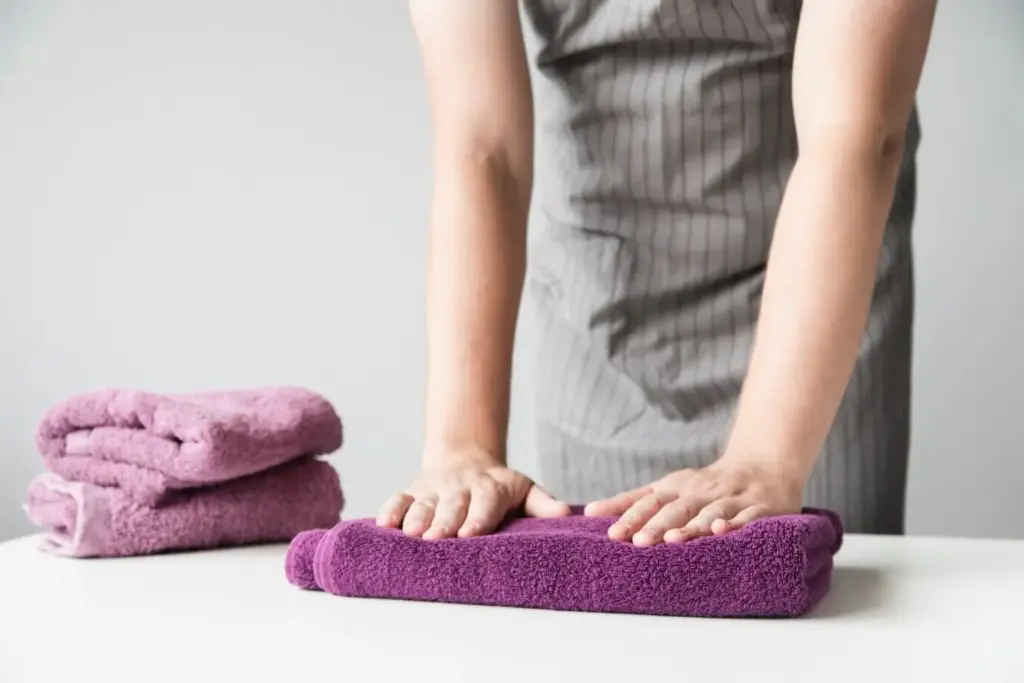
Household jobs can become rituals that restore. Rather than rushing, choose one routine you already do and approach it at seventy-five percent speed, noticing texture, sound, and breath. This is not about perfection, but about weaving attention into what already happens. You can hum while folding, stretch between sink cycles, or count exhales while wiping counters. Done consistently, chores become grounding stations, reminding you that care can live in ordinary rooms, between sticky fingerprints and clattering plates, without any extra scheduling pressure at all.
Let warm water coat your hands and anchor you in the present. Notice bubbles popping, plate weight shifting, and shoulder blades sliding down your back. Inhale to gather, exhale to release. When thoughts sprint ahead, gently return to temperature and texture. Finish with a deliberate pause, palms resting on the counter. This tiny ceremony transforms repetitive cleaning into sensory therapy. Over time, you may catch yourself loosening your jaw earlier, easing late-day irritability before it swells into unnecessary snap or exhaustion later.
As the machine hums, try a slow hinge to touch shins, a thoracic twist with arms crossed, and ankle circles while standing on a folded towel. Breathe steadily and keep movements pain-free. The goal is lubrication, not intensity. When you transfer clothes, pause for two intentional breaths to reset posture before lifting. These brief moves protect your back, reduce neck tension, and convert waiting into support. Repetition builds body trust, proving that care can happen beside baskets and not just yoga studios anywhere.

Portable Practices for Errands, Commutes, and Sidelines

Caring for yourself while moving through the world requires simple, discreet tools that work with noise, schedules, and surprise meltdowns. Think light postural resets, gentle breath pacing, and intentional micro-check-ins that respect safety and attention. You can use stroller time, pharmacy lines, or soccer sidelines to release tension and gather focus. These practices are invisible to others, kind to joints, and flexible enough to survive weather, traffic, and spilled snacks, while still delivering a noticeable lift in clarity and patience overall.

Stroller Stride Sequence For Energy Without Sweat

Maintain a tall spine, relax your grip, and take twenty brisk steps emphasizing ankle push-off. Every fifth step, lengthen your exhale slightly. Pause safely to perform five standing calf stretches, then resume with a softer jaw. If your child needs attention, fold the practice around their cues, resuming whenever possible. This rhythm turns errands into moving meditation, boosts circulation, and keeps you present enough to enjoy passing trees, neighborhood sounds, and tiny conversations that otherwise vanish under mental to-do lists growing constantly.

Bleachers Breathing Break That Clears Noise

While watching practice, place both feet flat, rest hands on thighs, and practice box breathing: inhale four, hold four, exhale four, hold four, repeating softly for one minute. Let crowd chatter blur into background texture. Visualize sending steadiness to the field and to yourself. Finish with one shoulder sweep. This quiet routine helps you stay supportive without absorbing every shout, decision, or worry. You leave lighter, more available for post-game connection, and less likely to carry tension into dinner, dishes, or bedtime later.

Emotion Check: Tiny Habits for Calm Communication

Short emotional check-ins can interrupt spirals and set kinder tones for hard conversations. Parents often believe they must fix everything immediately; instead, we practice naming feelings, validating needs, and choosing one small next step. Micro-phrases keep interactions from overheating while teaching kids practical regulation. Done regularly, these habits become family culture, not performance. You model imperfection and repair, proving that care lives in pauses and breath, not only grand gestures. Over time, home feels safer for everyone, including you consistently also.

Build Your Micro-Moments Toolkit and Join the Conversation

Gather simple tools that live where life happens: index cards on the fridge, a phone widget with breath timers, and sticky notes near the changing table. Choose two practices for mornings and two for evenings, plus one floating anywhere. Track wins with playful checkmarks, not perfection. Share ideas with friends, swap stories, and subscribe for fresh prompts. As you experiment, tell us what fits your rhythm, what surprised you, and what you are letting go. Community wisdom turns minutes into meaningful, shared momentum.
Nufaxuzakonoti
Privacy Overview

This website uses cookies so that we can provide you with the best user experience possible. Cookie information is stored in your browser and performs functions such as recognising you when you return to our website and helping our team to understand which sections of the website you find most interesting and useful.